Acoustic Architecture in Standalone Bingo Facilities: Shaping Immersive Player Experiences
Written by Viktor Brooks · Sep 24, 2026
Acoustic Architecture in Standalone Bingo Facilities: Shaping Immersive Player Experiences
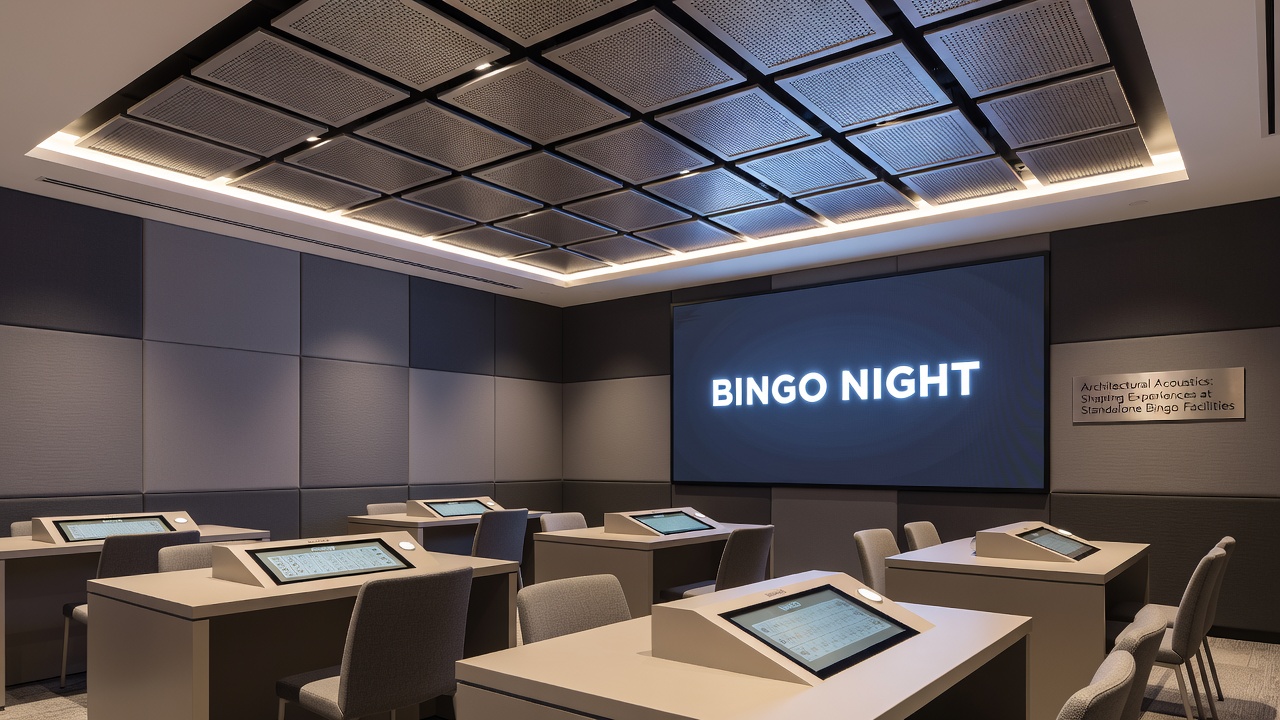
Standalone bingo facilities rely on precise acoustic planning to deliver clear announcements, controlled background noise, and comfortable listening conditions for hundreds of players at once. Sound waves from callers, electronic boards, and crowd reactions interact with room surfaces in ways that either enhance or hinder the overall experience, and facility designers address these interactions through material selections, spatial layouts, and mechanical system integration.
Core Principles of Sound Management in Dedicated Venues
Reverberation time, measured in seconds, determines how long sound lingers after the source stops, and bingo halls typically target values between 0.8 and 1.2 seconds to maintain intelligibility of spoken numbers without excessive echo. Absorption coefficients of ceiling tiles, wall panels, and seating upholstery directly influence these measurements, while reflective surfaces like hard flooring or untreated drywall can push reverberation beyond acceptable thresholds and create overlapping echoes that obscure caller diction.
Background noise from ventilation systems, adjacent gaming areas, and external traffic adds another layer of complexity, and standards from organizations such as the Acoustical Society of America recommend maintaining ambient levels below 45 decibels during active play periods. Designers incorporate duct silencers, vibration isolators, and strategic placement of mechanical equipment rooms to meet these targets while preserving air quality and thermal comfort for extended sessions.
Caller Clarity and Announcement Systems
Electronic amplification setups in these facilities often combine distributed ceiling speakers with directional arrays positioned above main play areas, allowing operators to direct sound energy toward seating zones rather than scattering it toward walls and ceilings. Frequency response curves are tuned to emphasize the mid-range bands where human speech intelligibility peaks, and digital signal processing reduces feedback loops that can occur when microphones pick up amplified output.
Studies from acoustic consulting firms in Australia and Canada have documented how optimized loudspeaker placement improves word recognition scores by 15 to 20 percent compared with legacy installations that relied on single-point high-power sources. These improvements translate into fewer repeated calls, smoother game flow, and reduced strain on both callers and participants who rely on accurate number identification.
Player Comfort and Crowd Dynamics
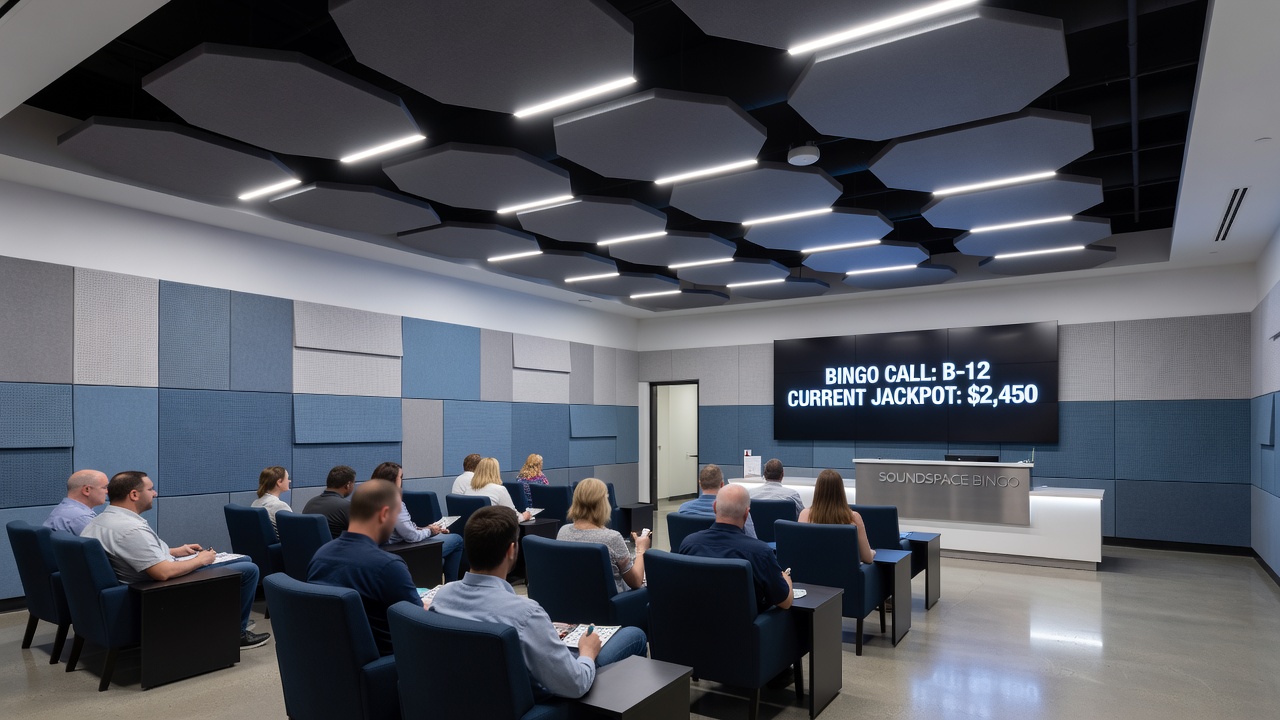
Large gatherings generate variable noise profiles that shift with excitement levels, jackpot announcements, and intermission conversations, and effective acoustic design anticipates these fluctuations through zoned absorption and diffusion elements. Diffusers scatter high-frequency reflections to prevent harsh hotspots, while low-frequency absorbers target rumble from footsteps and chair movements that can accumulate across a large floor plate.
Research published by European building performance institutes indicates that facilities incorporating variable acoustic elements, such as retractable banners or adjustable panel systems, achieve more consistent comfort ratings across different occupancy levels. These adaptations prove especially relevant during peak evening sessions or special events when attendance can double baseline figures and alter the room's acoustic signature.
Recent Facility Examples and 2026 Developments
In September 2026 several newly constructed standalone bingo centers in the Midwest United States incorporated advanced acoustic modeling during the design phase, using computer simulations to predict sound distribution before construction began. These projects integrated recycled cotton insulation panels and perforated wood slat ceilings that simultaneously address sustainability goals and acoustic performance targets.
Similar approaches appear in Canadian provincial venues, where regulatory guidelines on patron welfare encourage operators to document acoustic conditions alongside lighting and seating standards. Data collected from these sites show measurable reductions in player complaints related to sound clarity and fatigue during multi-hour play periods.
Conclusion
Architectural acoustics continue to evolve as a central consideration in standalone bingo facility planning, with measurable effects on communication effectiveness, patron satisfaction, and operational efficiency. Continued collaboration between acoustic engineers, architects, and venue operators supports environments where sound supports rather than competes with the core activity of the game.